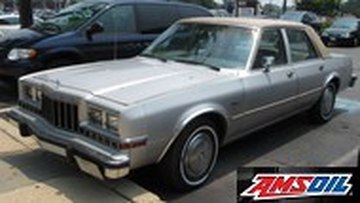
Engine Oil Maintenance for the 1983 Dodge Diplomat 5.2L
Maintaining the lubrication system is a fundamental aspect of vehicle upkeep. For owners of a 1983 Dodge Diplomat equipped with the 5.2L engine, regular attention to oil and filtration ensures that internal components remain properly lubricated during operation. This guide provides information regarding oil filter options and general maintenance practices for this specific application.
What oil filter is listed for my 1983 Dodge DIPLOMAT 5.2L?
The AMSOIL Ea Oil Filters EAO42-EA is listed for this vehicle.
Understanding Engine Oil Viscosity
Engine oil viscosity refers to the measure of a fluid's resistance to flow. Choosing an appropriate viscosity is important for ensuring that oil can circulate effectively through the engine components under various operating temperatures. For this 1983 Dodge Diplomat 5.2L, the database allows for 10W-30.
When selecting oil, it is vital to adhere to the specifications provided by the manufacturer or the technical data available for your specific engine. Using an incorrect viscosity can affect how quickly oil reaches critical engine parts during a cold start or how well it maintains a protective film when the engine reaches its operating temperature.
The Role of the Oil Filter
The oil filter is a critical component in the lubrication system. Its primary function is to capture contaminants, such as microscopic metal particles, carbon deposits, and dust, before they can recirculate through the engine. A clean filter ensures that the oil flowing to the bearings, pistons, and camshaft remains free of debris that could cause premature wear.
When replacing an oil filter, it is standard practice to inspect the old filter for any signs of improper installation or damage. Ensuring the new filter is seated correctly according to manufacturer instructions prevents leaks and ensures that the bypass valve functions as intended. If a filter becomes clogged with debris, the system may be forced to bypass the filtration media, allowing unfiltered oil to circulate.
Monitoring Oil Levels and Condition
Regularly checking the engine oil level is one of the simplest ways to monitor the health of your lubrication system. Most vehicles feature a dipstick located near the engine that allows for manual verification. Checking the oil when the vehicle is parked on level ground and the engine is cool or has been off for several minutes provides the most accurate reading.
Beyond just the quantity, the condition of the oil itself provides useful information. Oil that appears excessively dark, gritty, or contains visible particles may indicate that a service is required or that there is an underlying mechanical issue. Additionally, checking for a milky appearance in the oil can help identify potential issues with coolant intrusion into the lubrication system.
General Lubrication System Maintenance
Effective maintenance involves more than just changing the oil and filter. It requires a holistic view of the engine's lubrication needs. This includes inspecting the oil pan for signs of weeping or leaks, checking the oil pressure gauge during operation to ensure it stays within normal parameters, and ensuring that all drain plugs and gaskets are in good condition.
Leaks can lead to a gradual loss of oil, which may not be immediately apparent until the level drops below a critical threshold. Periodically inspecting the area around the oil filter housing and the oil pan gasket can help identify small leaks before they become significant problems. Maintaining a clean engine bay also makes it easier to spot new leaks as they develop.
Following Manufacturer Maintenance Schedules
Every vehicle has specific requirements for how often maintenance tasks should be performed. For your 1983 Dodge Diplomat, the most reliable way to determine when to change your oil and replace your filter is to consult the owner's manual or follow the manufacturer's recommended maintenance schedule. These schedules are designed based on the intended operation of the engine and provide the necessary intervals for routine service.
While many owners follow standard time or mileage intervals, it is important to remember that these are guidelines provided by the manufacturer to maintain the vehicle in its intended condition. Adhering to these professional recommendations helps ensure the longevity of the 5.2L engine components.
BUYING ENGINE OIL
When you are ready to purchase supplies, focus on selecting products that meet the requirements for your specific application. When BUYING ENGINE OIL, verify that the viscosity matches the 10W-30 specification listed for this vehicle. Ensure that any oil and filter combinations you select are intended for use in a 5.2L engine to maintain proper lubrication performance.